
Have you ever felt like you’re just a pawn in someone else’s game? It’s time to flip the script. Empowerment isn’t just a buzzword: it’s a catalyst for change that can catapult individuals from the sidelines to the center stage of their lives. Imagine this: you hold a remote control in your hand, and instead of playing on repeat, you start channeling new paths, strategies, and eventually, power. In this text, we jump into what empowerment means, why it’s vital, and how to harness it effectively. Get ready to take the reins of your life.
Understanding Empowerment
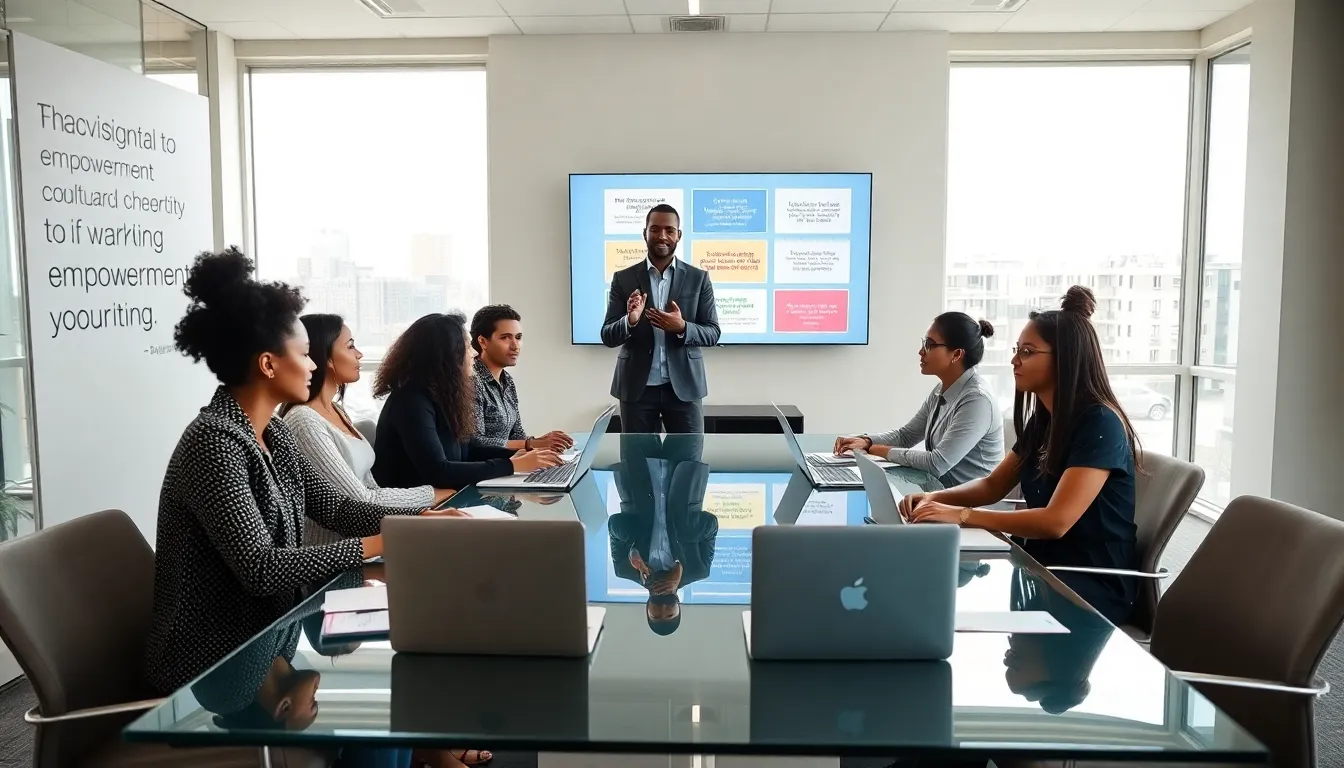
Empowerment is about more than just a warm feeling of confidence. At its core, it’s about giving individuals the authority and resources to make choices, take actions, and effect change in their lives and communities. Think of it as a superpower, once you recognize the scope of your abilities, you can step into roles that truly reflect your potential.
So, how does this superpower work? It often begins with self-awareness. To empower oneself, one must first understand their own strengths and weaknesses. It’s about taking stock of personal skills and recognizing areas of improvement. Empowerment creates a ripple effect that not only benefits the individual but also those around them. It’s akin to a tree that grows and provides shade to others, demonstrating that empowerment is a communal virtue as much as a personal one.
The Importance of Personal Empowerment
Personal empowerment is fundamental in driving fulfillment and well-being. When people feel empowered, they are more likely to take initiative, especially in challenging situations. They experience greater levels of motivation, resilience, and commitment, eventually leading to improved life satisfaction.
Also, empowered individuals tend to have a voice in the decision-making process, both in their personal lives and wider society. They no longer wait for opportunities to come knocking: they create their own paths and forge new opportunities. Just imagine the difference between a passive observer and an active participant in the movie of life, empowerment turns one into a leading actor, making choices instead of merely reacting.
Strategies for Empowerment
Now that one understands the significance of empowerment, how does one cultivate it? Here are some effective strategies to consider:
- Set Clear Goals: Define what you want to achieve. This clarity can be a guiding star, helping one to navigate through life’s complexities.
- Educate Yourself: Knowledge is power. Whether through formal education, workshops, or self-study, continuously improving one’s knowledge base fosters greater confidence and better decision-making.
- Seek Feedback: Constructive criticism can illuminate blind spots. Engaging with others to receive insights helps refine skills and strategies.
- Build a Support Network: Surrounding oneself with like-minded individuals fosters motivation. Collaborative efforts often lead to greater empowerment for all involved.
- Practice Self-Care: Taking care of one’s physical, emotional, and mental health lays the foundation for empowerment. It’s tough to feel powerful when one is drained or overwhelmed.
Tools and Resources for Empowerment
Empowerment doesn’t need to occur in isolation: there are countless tools and resources available to assist this journey. Here are valuable options:
- Books and Literature: Titles like “The 7 Habits of Highly Effective People” by Stephen Covey provide frameworks for personal growth and empowerment.
- Workshops and Seminars: These are excellent for networking and learning from experts. They create spaces for collaboration and social support.
- Online Courses: Platforms like Coursera and Udemy offer a variety of courses that empower through skill acquisition.
- Apps for Self-Improvement: From meditation apps like Headspace to productivity apps like Trello, technology can aid in personal development.
- Mentorship Programs: Connecting with a mentor can drastically change one’s perspective, providing guidance and inspiration through shared experiences.
Empowerment in Different Contexts
Empowerment manifests differently across various contexts. It plays crucial roles in personal, professional, and social arenas.
- In the workplace, empowerment often translates to engaged employees who feel valued and motivated to contribute to their company’s success. Organizations that invest in their employees’ empowerment cultivate a culture of creativity and innovation.
- In communities, empowering individuals leads to active citizens who influence policies and societal norms. Their insights help shape a more inclusive environment, as engaged individuals mobilize for collective action.
- For young people, who are often in the throes of identity formation, empowerment encourages self-expression and leadership. Programs aimed at youth empowerment foster skills necessary for navigating adult life and becoming proactive community members.
Overcoming Barriers to Empowerment
While empowerment holds tremendous potential, there remain barriers that often hinder its realization. Recognizing and addressing these barriers is crucial.
- Fear: A common barrier, fear of failure or rejection can paralyze individuals. Exposing oneself to small risks can build resilience over time.
- Lack of Resources: Not everyone has access to the necessary tools for empowerment, whether it’s financial, educational, or emotional support. Creating networks that bridge these gaps is essential.
- Negative Mindsets: Internalized beliefs and environments that discourage self-efficacy create significant roadblocks. Challenging these beliefs through affirmation and positive reinforcement is vital.
- Cultural and Societal Constraints: Sometimes, societal expectations can stifle individual aspirations. Advocating for changes in these cultural narratives can help in carving personalized paths toward empowerment.